
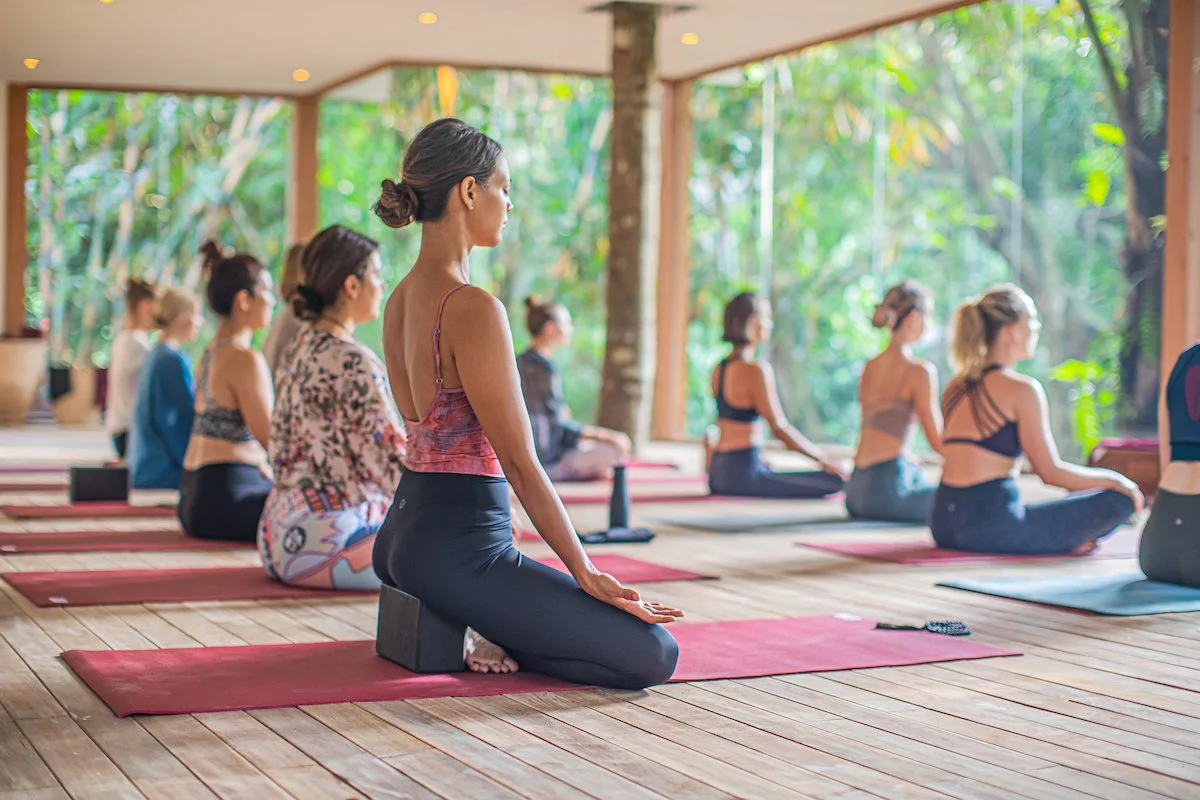
Many adults in Singapore return to sports after taking a long break due to work, family commitments, injuries, or lifestyle changes. While excitement often motivates the comeback, the body may not feel as steady or confident as before. Movements that once felt natural might now feel slightly uncertain. This is why many people look for a yoga studio near me as a supportive way to rebuild balance confidence before jumping fully into recreational sports again.
Confidence in movement comes not only from strength, but from how well the body understands position, direction, and stability. Yoga offers a unique approach to rebuilding this internal sense of balance. Through slow, intentional movement and breath guided transitions, yoga retrains the nervous system to respond calmly and steadily. This makes sports participation safer, smoother, and more enjoyable.
Why Balance Confidence Declines After a Long Break From Sports
Balance is a skill, and like any skill, it requires regular practice to remain sharp. When someone takes months or years away from sports, the body gradually loses the sensory awareness that once helped with coordination, agility, and movement accuracy.
Common reasons balance confidence decreases include:
-
Loss of muscle engagement from reduced activity
-
Weakened stabiliser muscles around the hips and ankles
-
Reduced joint mobility
-
Slower reaction time
-
Less familiarity with directional shifts or quick weight changes
-
Reduced sensory awareness of foot placement
These changes are normal and happen gradually, which is why returning to sports can feel unfamiliar even if the mind still remembers the movements.
How Yoga Rebuilds Internal Movement Awareness
One of the strengths of yoga is how it reconnects the mind and body through controlled movement. Each posture encourages awareness of alignment, weight distribution, stability points, and the subtle corrections needed to maintain balance.
Yoga improves internal awareness by:
-
Teaching the body to sense joint position
-
Strengthening stabilising muscles
-
Encouraging slower, refined movement
-
Improving attention to foot grounding
-
Enhancing awareness of body shifts during transitions
This internal awareness helps adults feel more in control when returning to sports that require agility and coordination.
Why Balance Comes From Stability, Not Force
Balance is less about strength and more about stability. Sports often require quick changes in direction, rapid stops, or sudden pivots. Without proper stability, these movements can feel risky or uncomfortable. Yoga helps strengthen the smaller, deeper muscles that support these actions.
Stability muscles strengthened in yoga include:
-
Hip stabilisers
-
Ankle support muscles
-
Core stabilising muscles
-
Lower back muscles
-
Inner thigh muscles
Strengthening these areas builds the foundation for confident movement.
How Slow Movement Builds Fast Reaction Confidence
Although yoga movements are slow, the neurological benefits support quicker and more accurate reactions in sports. Slow transitions teach the brain to track weight shifts, control micro adjustments, and maintain stability even when movement direction changes.
Slow movement helps by:
-
Training the brain to process balance cues faster
-
Strengthening the neuromuscular connection
-
Reducing hesitation during movement
-
Improving foot and hip coordination
-
Building trust in the body’s ability to stabilise
This gives adults more confidence when returning to sports that require acceleration, deceleration, or side stepping.
Improving Balance Through Foot Grounding
Many people underestimate the role of the feet in maintaining balance. The strength, flexibility, and awareness of the feet influence every movement in sports. Yoga places strong emphasis on grounding through the feet, spreading weight evenly, and developing controlled foot engagement.
Foot grounding training includes:
-
Paying attention to all four corners of the foot
-
Engaging the toes gently for stability
-
Strengthening the arches
-
Aligning the ankles with the knees
-
Maintaining even pressure during movement
Better foot control leads to smoother, safer sports movements.
Rebuilding Confidence Through Controlled Transitions
Returning to sports often brings a bit of mental hesitation. Yoga helps overcome this by teaching controlled transitions between postures. These transitions mimic the small shifts and adjustments that sports require, but in a slower and more mindful format.
Controlled transitions help:
-
Remove fear of losing balance
-
Improve directional awareness
-
Strengthen the ability to stabilise quickly
-
Ease the mind into trusting the body again
-
Build predictability in movement patterns
This mental confidence is as important as physical strength.
How Breath Regulation Improves Balance Stability
Breath plays a major role in balance. When people hold their breath or breathe shallowly, the nervous system becomes tense, which affects stability. Yoga teaches people to move with steady breathing, allowing the body to stay relaxed and controlled even during challenging postures.
Breath helps balance by:
-
Keeping the nervous system calm
-
Reducing muscle tension
-
Supporting smooth transitions
-
Helping maintain focus
-
Improving movement fluidity
Breath regulated movement becomes especially useful when returning to sports that require coordination.
Strengthening the Core for Better Balance Control
The core is central to all balance, yet many adults returning to sports have weakened core muscles due to long breaks. Yoga strengthens the core in a controlled, sustainable way without excessive strain.
Core benefits include:
-
Better ability to stay upright
-
More support for the lower back
-
Improved rotational control
-
Smoother directional changes
-
Greater movement precision
A strong core increases overall confidence in sports movements.
Enhancing Balance Through Hip and Ankle Mobility
Tight hips and stiff ankles make balance more difficult. Sports often require quick movements that depend on flexible joints. Yoga improves mobility in these areas, making it easier to move confidently without strain.
Mobility improvements come from:
-
Hip opening postures
-
Ankle strengthening and stretching
-
Spinal alignment work
-
Gentle twisting sequences
-
Lengthening of tight leg muscles
Better mobility leads to better balance, reducing the risk of discomfort or injury when returning to sport.
Why Studio Environments Make Balance Training More Effective
A studio environment provides focused guidance that is difficult to achieve at home. Instructors observe alignment, offer corrections, and provide gradual progressions that improve balance with less risk.
Studio benefits include:
-
Clear visual demonstrations
-
Safe adjustments to posture
-
Predictable and structured practice
-
Supportive community atmosphere
-
Calm environment that enhances focus
These elements give adults more confidence as they build balance for sports.
Real Life Changes Reported by Adults Returning to Sports
Many people notice significant improvements in coordination and stability after attending yoga classes regularly.
Common improvements include:
-
Greater ease in running or jogging
-
Better stability during sports such as tennis or badminton
-
Reduced hesitation during direction changes
-
More comfort with uneven surfaces
-
Less fear of falling or misstepping
These small changes add up to smoother, more enjoyable sports participation.
Building a Confident Return to Sports Through Yoga
A yoga practice provides the foundation for safe, stable, confident movement. After a long break from sports, this foundation helps adults ease back into activity without fear or uncertainty. Improved balance leads to better technique, faster adaptation, and a more enjoyable sports experience.
Practising in a supportive environment such as Yoga Edition helps adults rebuild balance confidence in a structured and effective way.
FAQs About Yoga and Balance for Returning Athletes
Q1. How quickly can yoga improve my balance for sports?
Most people begin noticing improvements within two to three weeks of regular studio practice.
Q2. Do I need prior yoga experience to benefit from balance based sessions?
No. Even beginners can build stability through simple standing and grounding postures.
Q3. Can yoga help if I feel scared of losing balance during sports?
Yes. Yoga builds physical strength and mental trust, both of which help reduce hesitation.
Q4. Which yoga styles are best for improving balance?
Alignment based and slow flow classes are especially effective because they encourage precise, intentional movement.
Q5. Will yoga prevent injuries when returning to sports?
It cannot guarantee injury prevention, but it significantly improves stability, posture, and mobility, which reduces risk.