
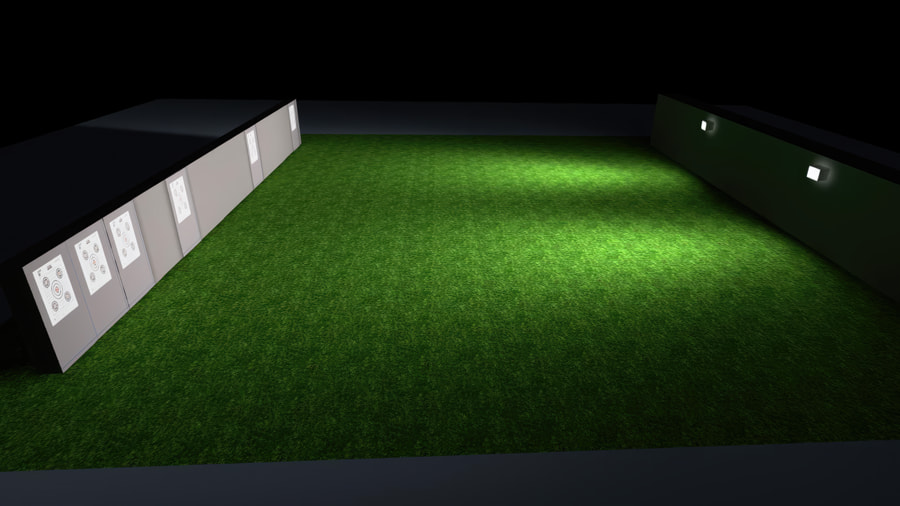
In shooting sports, achieving precision requires more than just skill and the right equipment; it also hinges on the lighting conditions under which you shoot. Light plays a pivotal role in how clearly you can see your target, adjust your aim, and react to different shooting environments. Whether you’re at a shooting range, hunting in the field, or engaging in competitive shooting, understanding how lighting affects your accuracy is essential for optimal performance.
1. Bright Light: The Challenge of Glare
Bright sunlight can significantly impact a shooter’s accuracy. Whether you’re shooting outdoors or under artificial lighting, glare can obscure your view of the target and make aiming more difficult. The intensity of light can lead to eye strain, making it harder to focus on the target for an extended period.
- Polarised sunglasses are an essential tool for dealing with bright light. These glasses reduce glare, enhancing contrast and allowing you to see your target more clearly. A good pair of shooting glasses can help filter out excessive light while improving your visibility in bright conditions.
2. Low Light: The Strain of Dim Conditions
While bright light presents its own challenges, low-light conditions are equally problematic for shooters. Whether shooting early in the morning, late at night, or in a dimly lit range, poor lighting can make it hard to distinguish between the target and the background, leading to decreased accuracy.
- In low-light conditions, shooters can benefit from high-contrast lenses in their eyewear. These lenses are designed to enhance visual acuity and sharpen images in dim conditions, making it easier to align sights and targets.
3. The Effect of Shadows: How Contrast Plays a Role
Shadows, particularly when you’re shooting at different times of the day, can introduce contrast that either helps or hinders your focus. The varying angles of light create patches of dark and light areas, which can affect your depth perception and your ability to line up shots effectively.
- To counteract the challenge of shadows, it’s helpful to wear glasses with anti-reflective coatings that minimize distractions from the surrounding environment. This ensures that your eyes are focused on the target and not disturbed by the changing lighting patterns around you.
4. Indoor vs. Outdoor Lighting: Different Challenges
Shooting indoors versus outdoors brings about distinct lighting challenges. Outdoor shooting can involve direct sunlight, overcast conditions, or fluctuating light due to time of day, all of which require adjustments. Indoor shooting, on the other hand, involves artificial lighting, which can cause uneven illumination and reflection off surfaces.
- Indoor shooters can benefit from light-diffusing lenses that reduce the harshness of fluorescent lights and improve contrast. On the other hand, outdoor shooters might need photochromic lenses, which adapt to changing light conditions and provide optimal vision whether it’s sunny or cloudy.
5. Lighting and Sight Alignment: The Importance of Contrast
The relationship between sight alignment and lighting is crucial for accuracy. In bright sunlight or when artificial lighting is uneven, it may become harder to align your sights properly. This misalignment leads to errors in aiming and reduces your shot accuracy.
- Shooters can adjust their sights to compensate for lighting conditions, but pairing this with the right shooting glasses can further refine precision. Lenses with a yellow or amber tint can enhance contrast, allowing shooters to better align their sights against the target, particularly in overcast conditions or during dusk.
6. Impact of Reflective Surfaces: Dealing with Distracting Light
Reflective surfaces, such as glass or water, can amplify sunlight and create distracting light flashes that impact accuracy. These flashes can momentarily blind or disorient shooters, especially in outdoor environments.
- Anti-glare coatings on eyewear help minimize the impact of reflective surfaces by reducing the intensity of light reflected into the eyes. This helps shooters maintain focus and reduce the chances of being distracted by sudden bursts of light.
7. Adjusting to Changing Lighting Conditions
Shooters must adapt to varying lighting conditions throughout a shooting session. The changing light from dawn to dusk or from cloudy to sunny weather can significantly impact visibility and accuracy. Shooters who fail to adjust to these changes may find themselves making more mistakes than they should.
- Shooting glasses with adjustable lenses, like photochromic glasses, are invaluable in fluctuating light conditions. These glasses automatically adjust to the amount of light, ensuring that your vision stays clear and focused without the need to change lenses or eyewear during a session.
8. Training for Different Lighting Conditions
To improve accuracy, shooters should train under a variety of lighting conditions. By practicing in different environments—bright sun, low light, indoor ranges, and at dusk—shooters can develop the ability to adapt their technique and equipment to each situation.
- Training with specific eyewear designed for different lighting scenarios can be a game-changer, helping shooters maintain peak performance no matter the lighting conditions.
Lighting is one of the most important yet often overlooked factors in shooting accuracy. By understanding the impact of light and investing in the right protective eyewear, shooters can optimize their performance. Whether you’re dealing with bright sunlight, dim indoor lighting, or the changing light of day, the right gear can help you maintain focus and precision.
By pairing the right shooting glasses with the correct techniques for adapting to lighting conditions, you’ll set yourself up for success in any shooting environment.